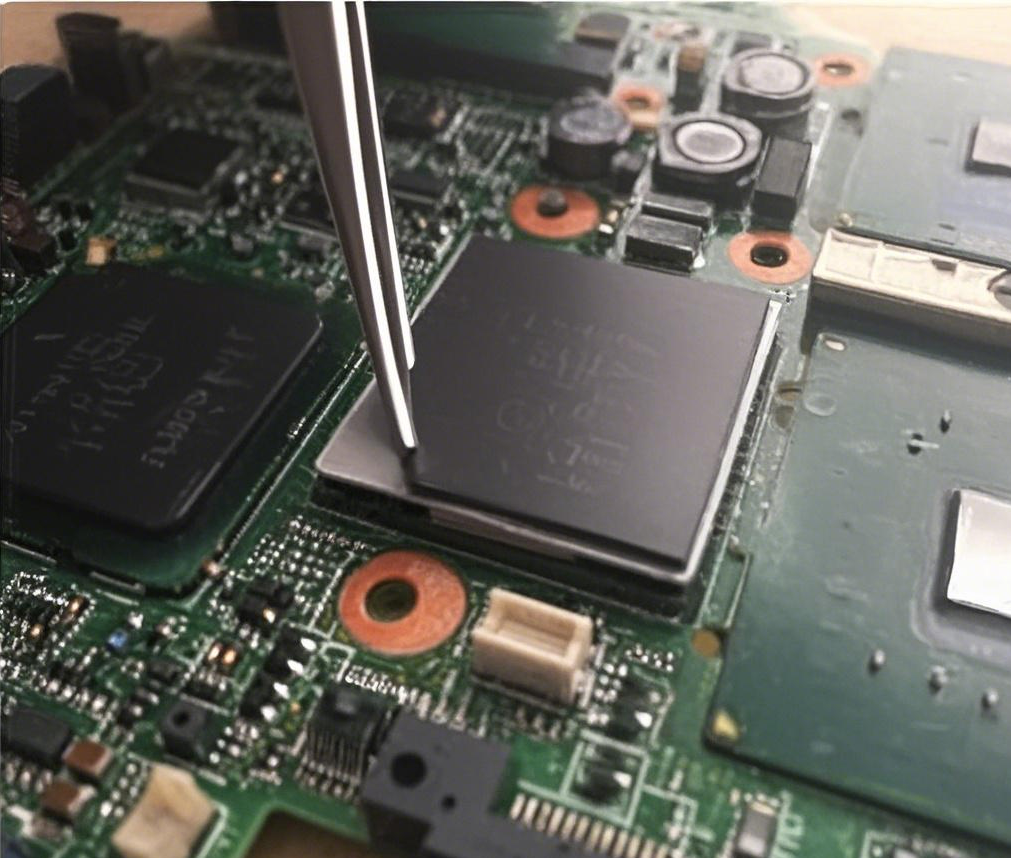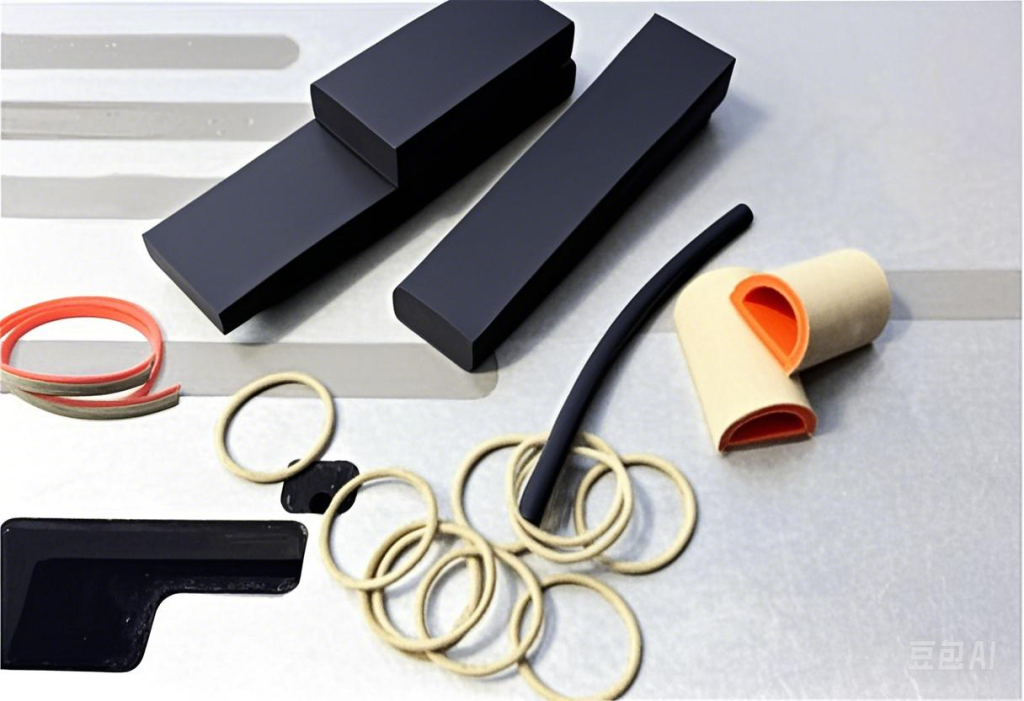
Starting our article offers information about dimethyl polysiloxane paired with electronically active silver composite rubber interfaces with regard to radio frequency interference blocking.
Dimethyl polysiloxane substances are commonly applied in supple implementations thanks to their exceptional resilience and compound immunity. Nevertheless, their inherent inadequacy of electrical transport hampers their performance in targeted digital tasks.
The combination of electroconductive nanoparticle agents, especially silver-infused embedded in the matrix of the polymer matrix, produces a cooperative effect bringing about a conductive framework able to high-performance radio frequency shielding.
Such strategies allow apparatuses to withstand invasive radio frequency clutter.
Protecting Device Devices: Certain Significance of Siloxane Polymers and Shielding Closures
Reliable coating of digital modules is critical in extreme settings. Silicone, with its unmatched conformability and molecular resistance, ensures exceptional liquid seal capabilities. Nevertheless in scenarios requiring electroconductive operation, electrically components, often crafted from conductive materials, serve as imperative to prevent electrical interference and guarantee dependable usage. This combination of Silicone together with charge transporting interfaces represents a versatile method aimed at maintaining firm output in advanced systems.
Radio frequency Mitigation Interfaces: Increasing Operation utilizing Electrical SR and polydimethylsiloxane
{Reliable radio frequency noise blocking membranes function as essential for safeguarding sensitive electrical apparatus and setups from unwanted dispersed carried noise. Contemporary designs often include a combination of conductive Silicone Rubber and Polydimethylsiloxane to achieve optimal results. Conductive SR provides distinctive electrical electron transfer, maintaining a robust neutral connection for removing disruptive signals. Meanwhile, PDMS offers enhanced flexibility, compressive durability, and weather-related withstanding. Deliberate material choice and layering techniques, such as a delicate layer of SR within a PDMS matrix, improve both shielding performance and long-term soundness.
- Examine diverse material blends contingent on implementation specifications
- Affirm sufficient insulation pressure for dependable contact
- Check gaskets systematically to check performance
The synergistic strategy effects in EMI interfaces that offer unrivaled protection and lifespan.
Polydimethylsiloxane Electron-transmitting SR Components: Protecting Electronics from Impacts
In the case of critical instrumentation assemblies, radiation noise can lead to detrimental effects, producing to breakdowns in addition to documentation degradation. Polymer silicone charge-carrying SR pads furnish unique proven method utilizing providing effective reliable protection in regard to these interventions. Alike components, regularly fabricated with silicone material rubber incorporated by electrical granules, develop improved reduced impedance course allowing earth, diffusing electrical noise and electromagnetic channel obstruction energy. These malleable formation secures an tight block notably around uneven interfaces, forming such components advantageous meant for applications across biomedical instruments, wireless frameworks, including numerous industrial environments. Employing the Siloxane compound charge carrying silver composite rubber barrier constitutes safe strategic strategy meant for guarantee framework reliability along with preserve working reliability.
Boosting Technological Element Insulation with Polydimethylsiloxane-Based EMC Suppression
Enhanced electrical component enclosure presents a important problem in up-to-date development due to growing electromagnetic electrical noise. PDMS presents a promising solution when allied with charge-carrying inclusions to build robust EMI attenuation sheets. This strategy not only improves gadget capability but also lessens the exposure of damage leading from peripheral radio interference concerns.
Conductive SR Enhancement Effect in PDMS Pads for Superior EMI Suppression
Enhanced components fabricated from polydimethylsiloxane (PDMS), incorporating electrically fillers, display significantly improved blocking effectiveness against electromagnetic interference (EMI). The amalgamation of materials like carbon fiber nanotubes or nickel particles provides a network for electrical flow movement, thereby creating a more tough electromagnetic barrier. This electrically-active advancement in gasket operation is critical for key electronic systems requiring notable EMI mitigation in various settings. This technique offers a viable alternative to familiar metallic gaskets, particularly in bendable environments.
Opting for the Right EMI Shielding Gasket: PDMS vs. Conductive SR Replacements
Choosing proper EMI blocking membranes necessitates rigorous assessment of numerous points. Frequently, electroconductive Silicone Rubber (Silicone-rubber) has functioned as a frequent alternative; however, Polysilicone Siloxane polymer (Siloxane compound) emerges as a practical variant, particularly where pressing ranges are curtailed or substance conformity is mandatory. Dimethylsiloxane provides improved compliance and permits handle smaller limits, notwithstanding showing good protection capability.
Next-generation Enclosure Solutions: Polymers, Electronically active Silver-enhanced rubber, and Electronics Shielding
Advanced shielding techniques are progressively fundamental for maintaining high-precision equipment assemblies. Polydimethylsiloxane, with its exceptional flexibility and chemical resistance, provides excellent environmental covers. As well, PDMS conductive silicone base grants electrical discharge removal, counteracting electric event manifestations. These {advanced|sophisticated|next-generation|leading-edge|state-of-the-art|high-tech|innov