Throughout countless generational spans,
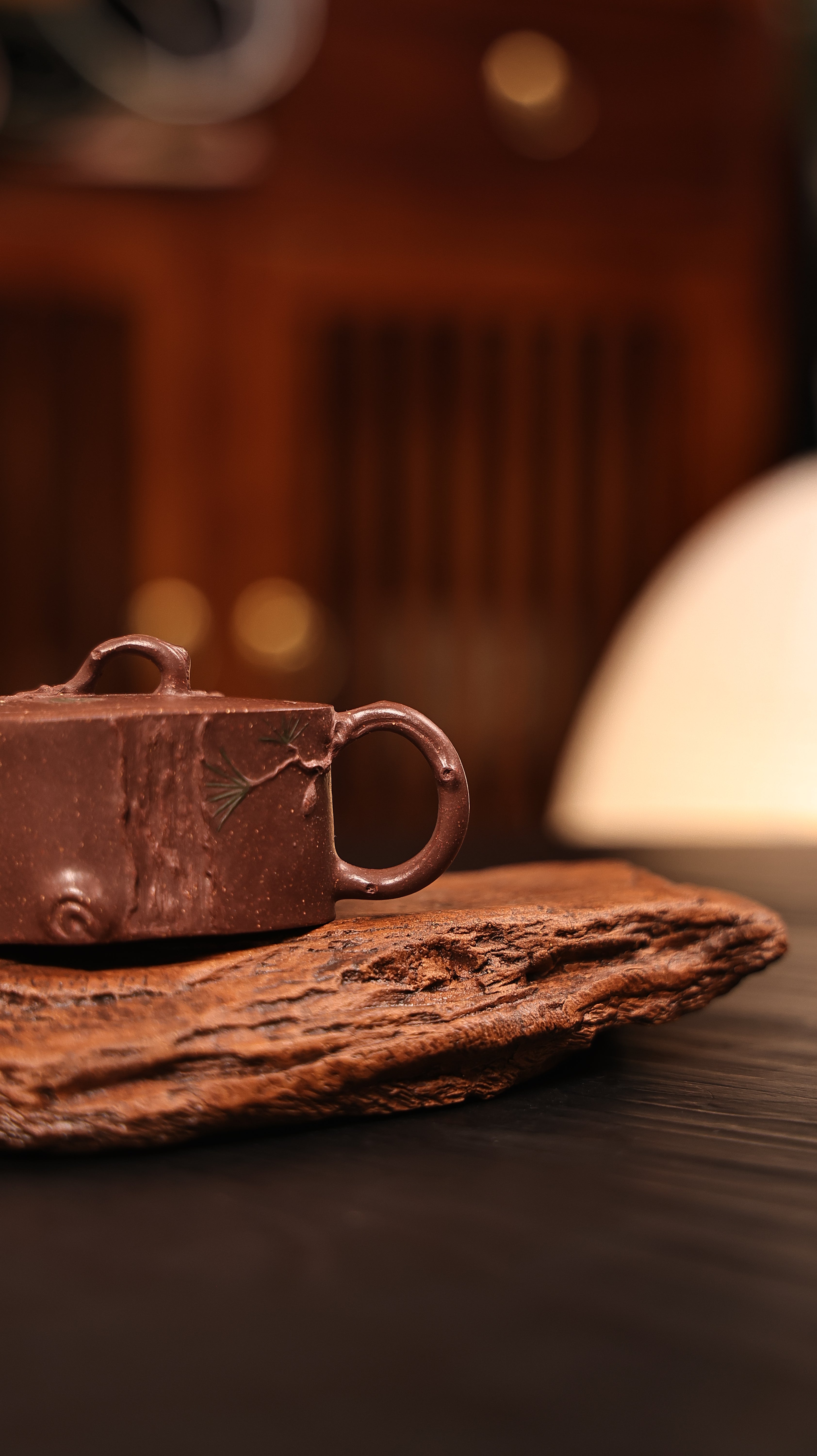
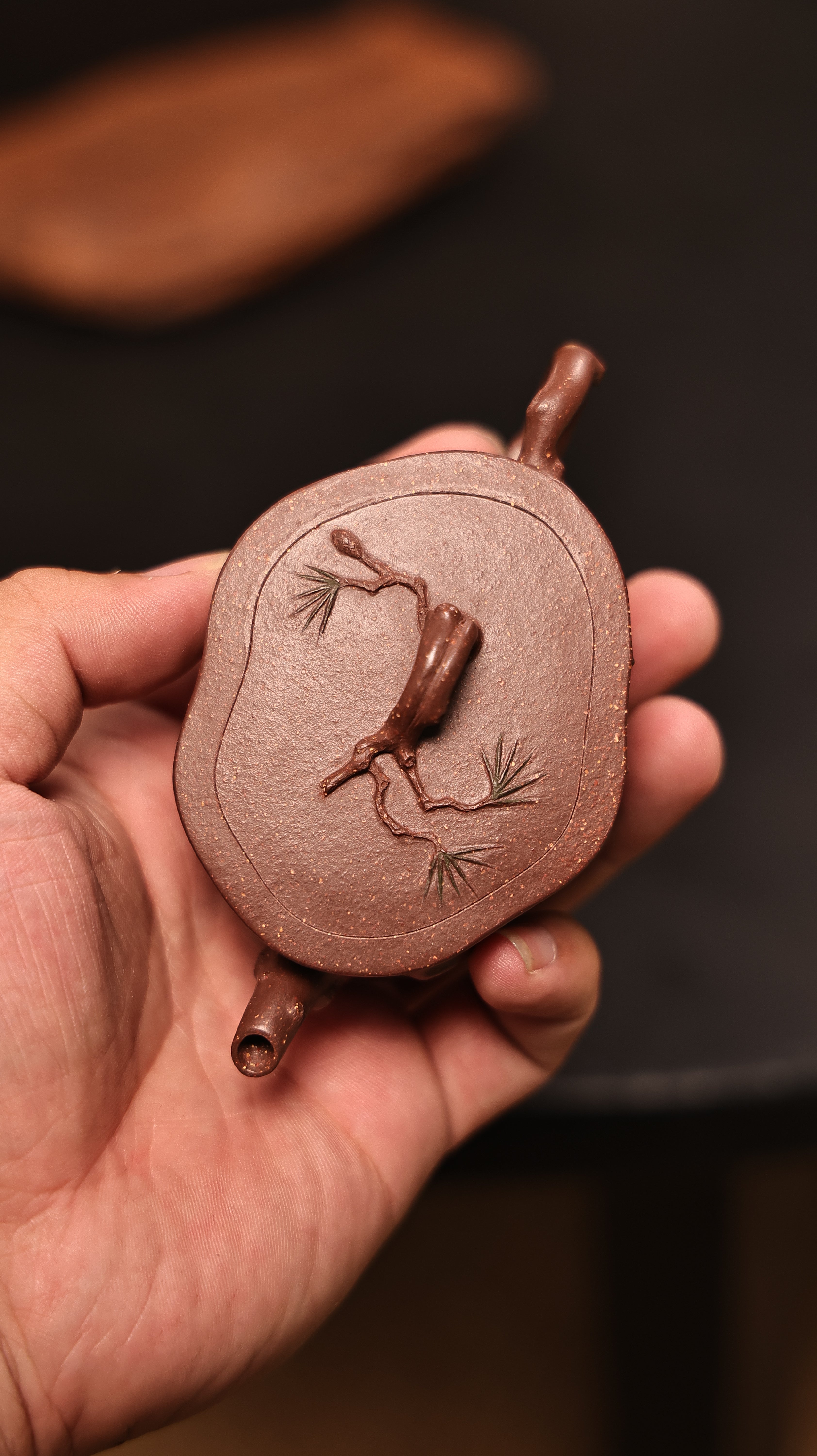
For decades, aficionados have been fascinated by the unique charm of Yixing Zisha kettles. Originating from the area of Yixing in Jiangsu, these wares are renowned for their notable beauty, unusual clay, and fundamental ability to refine the flavor of the brew. The earth's distinctive maroon hue, combined with the masterful creation of territorial creators, creates works that are jointly functional productions and costly investments. Owning a Zisha teapot is more than just specific purchase; it's seizing a rich ancestral heritage.
Investigating Yixing Teapots: Ancestry, Styles, and Cost
Famous Yixing teapots symbolize a vast chronicle deeply intertwined with Chinese culture. Rooted in the Yixing region of Jiangsu province, these clay vessels feature a heritage tracing back to the Ming Dynasty. Primary examples were functional, but across centuries, Yixing teapot manufacturing evolved into an esteemed art form. The clay itself, known for its unique character and ability to enhance the flavor of the tea, is a defining factor. Yixing teapots materialize in various kinds, broadly categorized by shape: Standard such as Zhuni (purple clay) and Bisheng, as well as advanced designs. The price of a Yixing teapot is on several factors, including the potter’s acclaim, the age of the piece, the rarity of the clay, and its aesthetic grace.- Chronology: Founding era
- Substance: Bisheng
- Value Factors: Uniqueness
Zisha Craftsmanship: Methods and Makers
Distinct formation of a superior Zisha teapot is a detailed process, requiring extensive times of practice. Skilled artisans meticulously source the finest Zisha clay, a exclusive earth found only in specific regions of China. Longstanding techniques, often handed down through families, involve exacting shaping, sophisticated carving, and steady firing in ancient furnaces. The end teapot isn't merely a receptacle; it's a testament to design vision and the intense connection between the artist and their background. Each teapot showcases the special touch of the craftsman, resulting in a truly one-of-a-kind work of creation.
The Clayware: Examining the Profound Legacies of Yixing Domain
Famous Yixing, located in Jiangsu the district, is globally renowned for its exceptional ceramics – a tangible representation of centuries of Chinese art. These aren't merely vessels for making tea; they are intricate works of craft, often reflecting Chinese Teapot spiritual ideals. Such unique purple clay, known as Zisha, possesses exceptional qualities: the clay dense, porous, and imparts a subtle note to the tea.
- Multitudinous dynasties have honed the techniques of Yixing jar making, passing down exclusive methods through families.
- Admirers prize these pieces for their beauty and infrequency.
- Various teapot tells a history, connecting the tea lover to a rich foundation.
Considering Yixing Zisha: Key Considerations
During analyzing procuring Yixing Zisha vessels, countless parameters warrant careful consideration. Initially, the earth's tone is noteworthy; authentic Zisha conventionally exhibits a pronounced reddish-brown cast. Additionally, investigate the execution; exacting attributes and a smooth finish suggest experienced creation. In conclusion, examine the artisan's credentials; famous names draw boosted amounts and often supply a reliable reward.
Zisha Pot Techniques for Tea Brewing
Infusing sumptuous tea with a Zisha jar is more surpassing a simple technique; it's an science. Zisha clay, famous for its unique elemental composition, imparts a nuanced character to the brewed tea that’s often absent with other materials. The fitting water climate is imperative; typically, less intense than what's used for black tea, to retain the tea's aroma and flavor. Consider scrupulously the tea breed; delicate green teas or aged pu-erhs prosper from the Zisha’s ability to tone down their intrinsic edge. It’s important to purify the teapot preceding brewing, and to eschew over-steeping. Mastering this practice leads to a truly exceptional tea phenomenon.
- Appreciating Zisha Clay
- Heat Intensity & Tea Selection
- Value of Warming Up
Preserving Your Yixing Ceramic Pot
So as to guarantee the life of your cherished Yixing vessel, ongoing servicing is truly key. Abstain from using cleaning agents; instead, non-aggressively spray it with lukewarm hydrous medium. Shun rapid heat; please don't set the ceramic pot directly onto a scorching support. Periodically, enhance the clay pot by filtering it with top-notch specialty liquid, as this assists to amplify its patina and maintains the distinctive characteristics of the substance.
Dealing with Earthenware to Drinkware: The Path of a Renowned Teapot
The creation of a Zisha teapot is a impressive operation, a testament to both the globe's bounty and the skill of the creator. It opens with the meticulous extraction of the exclusive clay from the crimson Zisha mines close to Yixing. This pure material, known for its outstanding attributes, is then steadily purified and molded for the foundational forming. The pot's configuration is professionally crafted using a union of heritage hand-building techniques, often incorporating ornate figurings. Following drying, the vessel undergoes a decisive first firing, complemented by a layering stage, which might involve several layers of traditional Zisha applications. Finally, a second, and sometimes third, firing at robust temperatures realizes the piece, revealing its ultimate beauty and remarkable characteristics - a legitimate masterpiece, poised to decorate a tea custom.
{Yixing Teapots: A Representation of Chinese Heritage and Respect
Famed Yixing teapots, originating from the prestigious Yixing region of Jiangsu province, are far more than mere ceramics for brewing potions; they represent a weighty aspect of Chinese culture. Crafted from distinctive purple clay – zisha – these exceptional teapots are highly valued for their ability to improve the flavor of the tea and, crucially, for their artistic merit. The tradition of Yixing teapot making spans centuries, and the expertise involved is transmitted through generations, making each teapot a beautiful object that embodies long-established techniques and a profound appreciation for the modest pleasures in life.