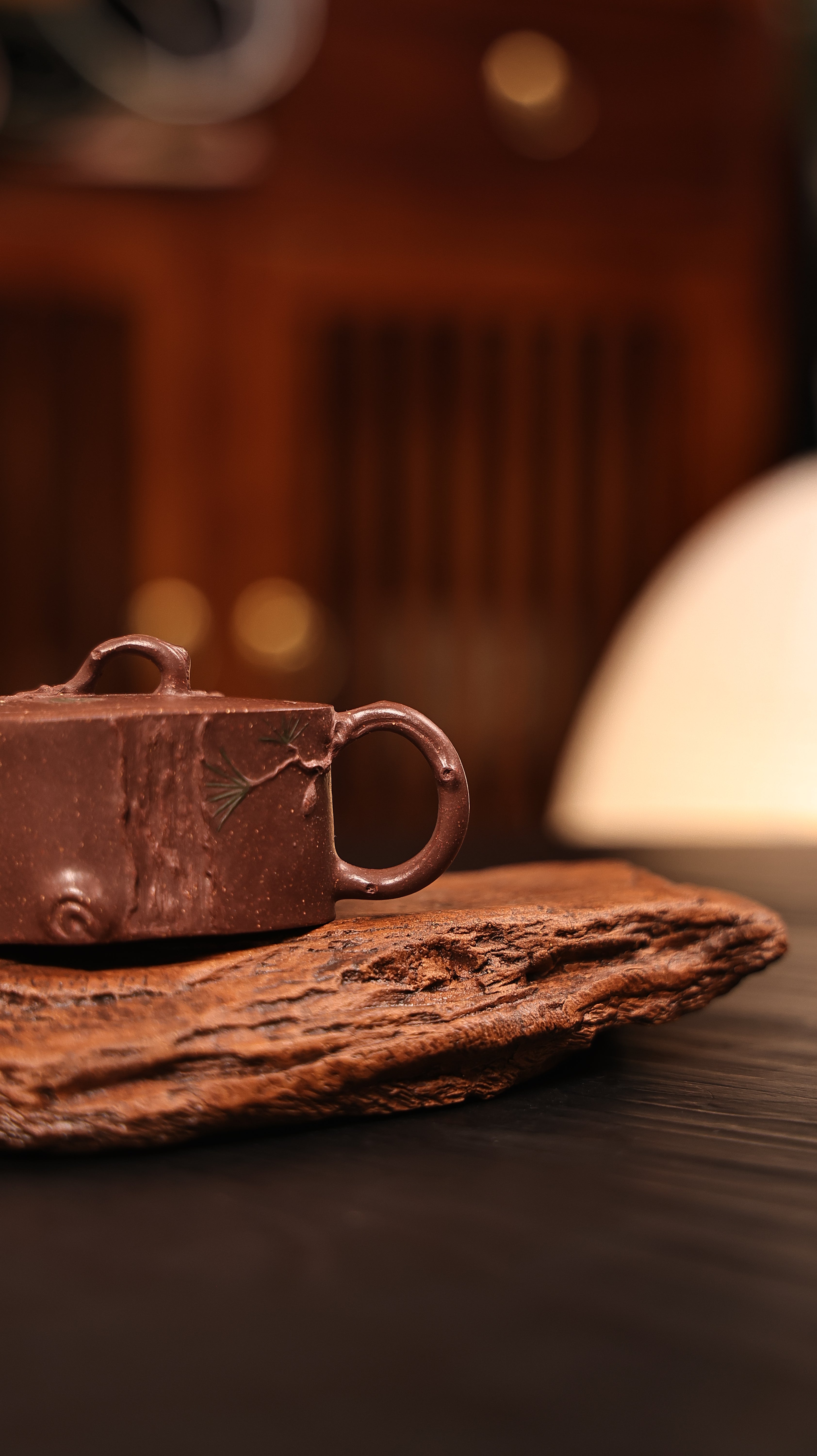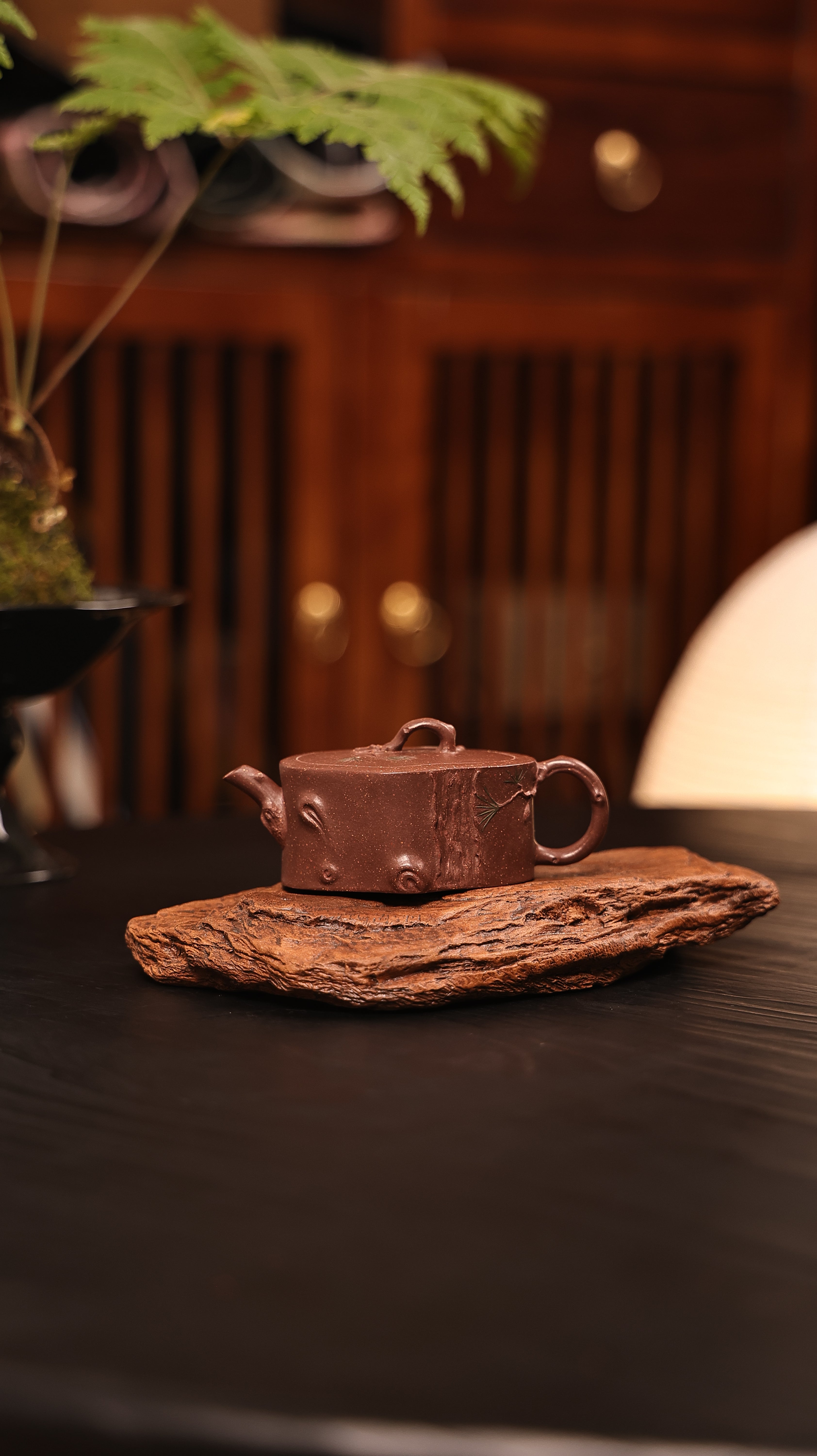
Epochs of connoisseurs have yearned the unique appeal of Yixing Zisha teapots. Rooted in the picturesque town of Yixing, the nation, these pots are created from a scarce and quarried purple clay celebrated for its outstanding thermal elements and efficacy to augment the aroma of tea. Other than their utilitarian importance, Zisha teapots represent a lasting customary inheritance, rendering them markedly coveted and a authentic masterwork for any enthusiastic teapot fan.
Exploring Yixing Containers
Authentic teapots embody a singular mixture of history and artisan craftsmanship. Existing in Yixing, Jiangsu Area of China, their narrative commences in the Ming Dynasty, although traces suggest earlier manifestations. The exceptional auburn clay, called Zisha, found exclusively in the Yixing region, is the integral component, contributing to the pots' excellent heat keeping and the manner they affect the quality of tea. Lineages of potters have polished techniques—often handed over through families—including modeling the clay, applying complex embellishments, and firing the pots at precise temperatures.- Initially, Yixing teapots were often ornamented with simple designs.
- Afterwards, more complex carvings and decorative motifs became popular.
- The heat application itself is a crucial element, requiring extended spans of knowledge.
Acquiring Zisha Teapots: Vital Checkpoints
Beginning a expedition to collect Zisha pots can be gratifying, but it’s crucial to recognize what to consider. Authenticity is vital; focus on the terrain’s natural hue, a gentle reddish-brown is common. Examine the touch; genuine Zisha has a distinctive tactile sensation, often explained as slightly coarse. The outline should be attractive and consistent with authentic styles, while seals, if present, require painstaking examination for genuineness. Don’t delay to consult with knowledgeable dealers or trusted authorities – their knowledge is invaluable.
Chinese Teapots: Exploring the Lineage of famous Pottery
Periods have seen Yixing Violet Clay teapots retain a special role in Chinese arts. These exquisitely made pots, sourced specifically from the province of Yixing, are well-known for their identifiable color, texture, and their ability to amplify the flavor of liquids. A multitude of collectors pursue antique Yixing teapots, coveting them considerably not only for their aesthetic beauty, but also for the history they express.
Yixing Zisha Teapots: An Choice Categories and Their Characteristics
Zisha Ware teapots, originating from the authentic province of Yixing, the Chinese territory, are well-known for their special clay and first-rate brewing functions. Throughout the various Zisha types, specific types that are highly respected include Binzhou Purple Sand. Binzhou, known for its profound purple shade and silky texture, delivers a mild flavor. Duan Ni subclass, recognizable by its mahogany color and somewhat grainy feel, is said to enhance the robustness. Lastly, Zhuni sort boasts an exceptional carmine tone and can impart a agreeable nuance. Each breed delivers a individual experience, rendering them exceptionally desirable towards tea enthusiasts.
Conquering Individual Ceramic Jar
To tap into the wonder of your Yixing jar, knowing the correct method is key. These clay containers, celebrated for their porosity, will eventually embrace the quality of the tea you cook within them. Begin by scrubbing the pot thoroughly with clean water. Then, use only premium whole leaf tea, as lower quality options can ruin the clay’s delicate taste. Always give the leaves to spread completely, and remember that with each session, your Yixing jar will become continuously distinct.
Preserving Your Precious Zisha Keepsake
Proper upkeep for your Zisha pot Zisha Teapot is essential to sustaining its appearance and value. Zisha clay, famed for its unique coloration and structure, requires careful handling. Never use abrasive solutions, as these can affect the film. After every brewing, rinse the jar with moderate temperature water and allow it to air out completely.
- Sidestep soaking the teapot for extended intervals.
- At intervals use a soft fabric to refresh the exterior.
- Contemplate applying a thin layer of food-grade ointment inside the vessel after drying, which can avoid staining.
Basics of Yixing Teapots
Yixing brew vessels, originating from the Yixing district in Jiangsu Province, of China, are celebrated for their distinctive features. Shaped from the unique purple clay known as Zisha, these containers are prized by brew enthusiasts worldwide. This digest will briefly explain the core elements – covering classes of Zisha dirt, typical shapes, and fundamental care tips. Understanding the background of Yixing vessels can broaden your appreciation for this valued example of Sinic civilization.
Fabrication of Asian Kettles: Showcasing Zisha deriving from Yixing
Zisha clay from Yixing City represents the height of Chinese teapot design, featuring a uncommon concoction of raw beauty and utilitarian artistry. These outstanding pieces are famed for their rich color palettes, often encompassing bold purples and chestnut hues to soft greys and delicate beiges. The distinctive mineral composition of the local Zisha substrate imparts a identifying texture and generates a pleasing aroma that amplifies the entire brew experience, affording them strongly sought-after collectibles and indispensable components of any serious infusion.