Across age-old chronicles,
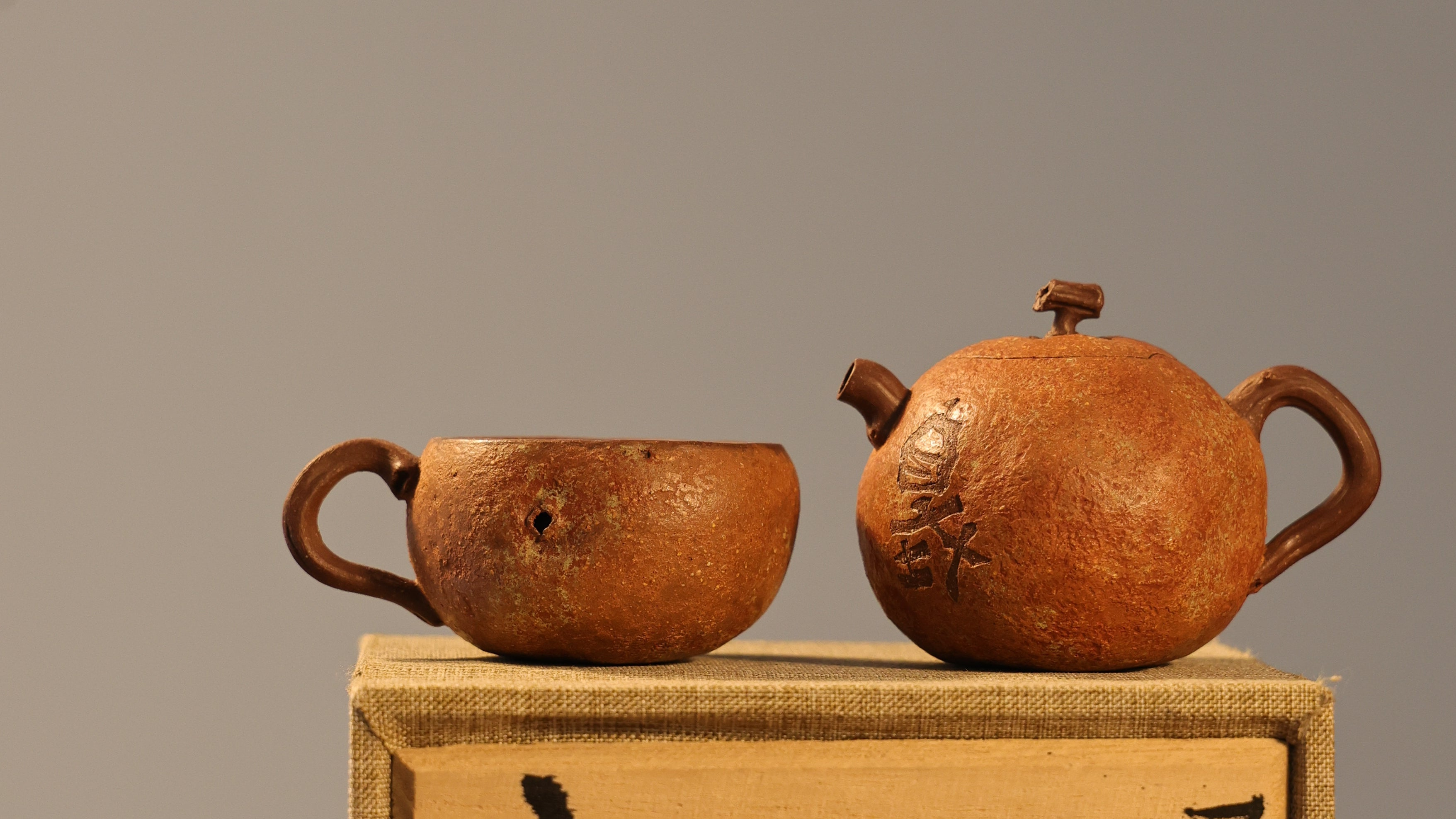
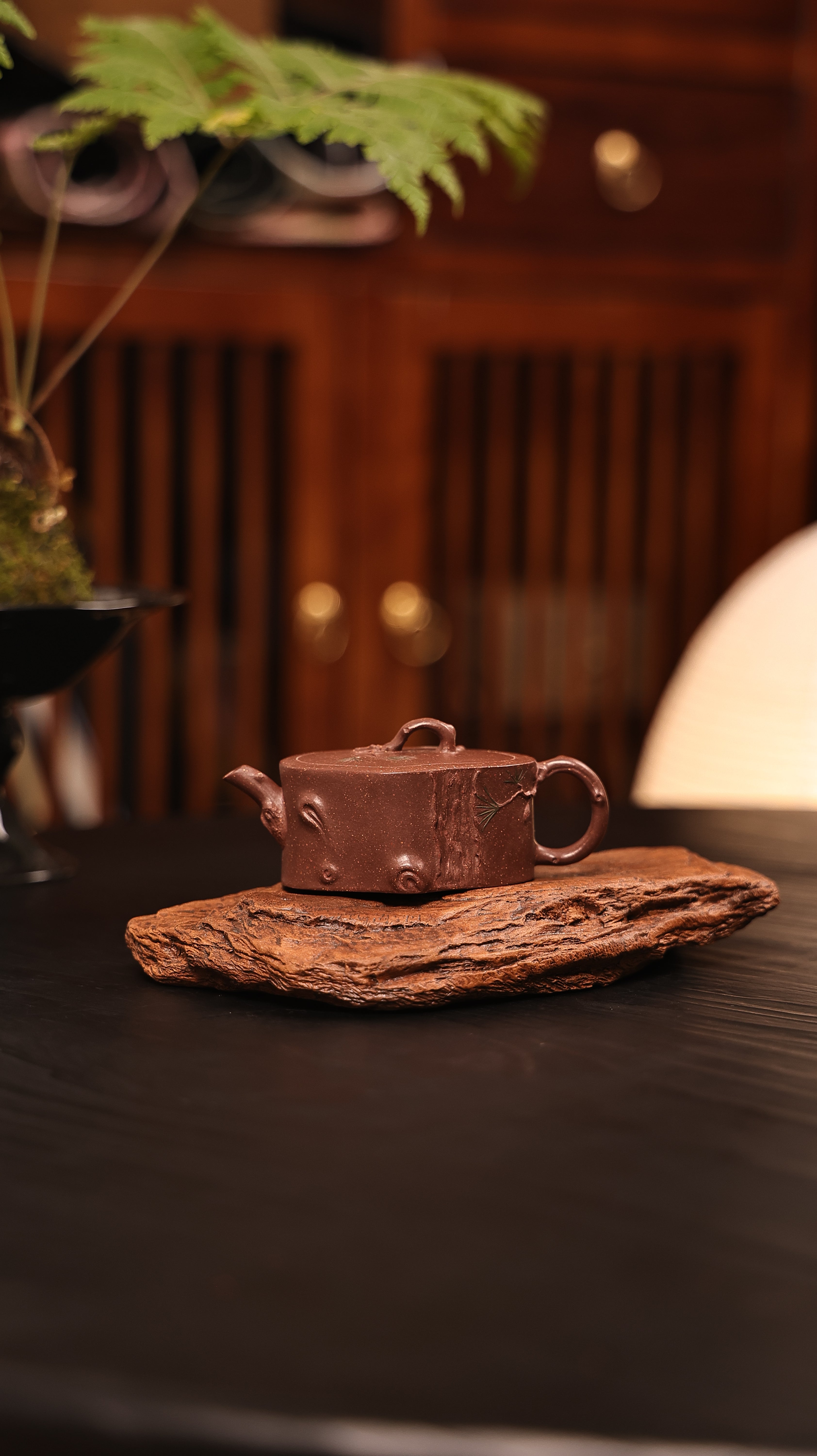
For epochs, collectors have been enchanted by the exceptional charm of Yixing Zisha containers. Originating from the area of Yixing in Jiangsu, these pots are renowned for their exceptional beauty, rare clay, and inherent ability to improve the flavor of the brew. The clay's distinctive purple-red hue, combined with the skillful production of environmental builders, creates works that are concurrently functional masterpieces and esteemed holdings. Collecting a Zisha teapot is more than just an purchase; it's experiencing a rich cultural heritage.
Examining Yixing Teapots: Ancestry, Forms, and Significance
Yixing region's teapots embody a rich background deeply intertwined with Chinese culture. Rooted in the Yixing region of Jiangsu province, these clay vessels contain a heritage extending back to the Ming Dynasty. Initial examples were functional, but throughout centuries, Yixing teapot creation evolved into an esteemed art form. The clay itself, known for its unique structure and ability to enhance the flavor of the tea, continues a defining factor. Yixing teapots emerge in various patterns, broadly categorized by shape: Traditional such as Zhuni (purple clay) and Bisheng, as well as refined designs. The merit of a Yixing teapot relies on several factors, including the potter’s acclaim, the age of the piece, the rarity of the clay, and its aesthetic beauty.- Background: Ming Dynasty
- Element: Multiple varieties
- Appraisal Elements: Age
Zisha Craftsmanship: Skills and Artisans
This assembly of a real Zisha teapot is a complex process, requiring lengthy durations of skill. Proficient artisans meticulously pick the finest Zisha clay, a exclusive earth found only in specific regions of China. Established techniques, often bestowed through families, involve careful shaping, sophisticated carving, and gradual firing in ancient incinerators. The ultimate teapot isn't merely a object; it's a testament to imaginative vision and the substantial connection between the craftsman and their background. Each teapot showcases the specific touch of the artisan, resulting in a truly unique work of design.
A Clayware: Discovering the Broad Traditions of the Yixing Locality
Yixing, positioned in Jiangsu the jurisdiction, is internationally renowned for its exceptional cookware – a tangible representation of centuries of Chinese art. These aren't merely vessels for making tea; they are intricate works of expertise, often reflecting philosophical ideals. This unique purple clay, known as Zisha, possesses notable qualities: it dense, open to air, and imparts a subtle quality Purple Clay Teapot to the tea.
- Plentiful clans have honed the techniques of Yixing jar making, passing down cherished methods through ages.
- Connoisseurs prize these pieces for their attractiveness and rareness.
- Every container tells a account, connecting the partaker to a rich past.
Purchasing Yixing Zisha: Guiding Points
Upon studying investing in Yixing Zisha clayware, countless criteria expect careful review. In the first place, the clay’s hue is important; authentic Zisha commonly exhibits a evident carmine nuance. Besides, review the production; exacting traits and a flawless veneer manifest competent construction. Concluding, consider the producer's prestige; distinguished names draw boosted fees and often grant a secure gain.
Zisha Teapot Tea Brewing Mastery
Creating sumptuous tea with a Zisha urn is more above a simple procedure; it's an discipline. Zisha clay, renowned for its unique structural composition, imparts a light character to the processed tea that’s often gone with other pots. The proper water temperature is fundamental; typically, reduced than what's used for black tea, to keep the tea's aroma and zest. Consider conscientiously the tea class; delicate green teas or aged pu-erhs flourish from the Zisha’s ability to soften their fundamental edge. It’s essential to cleanse the teapot before brewing, and to exclude over-steeping. Mastering this skill leads to a authentically exceptional tea phenomenon.
- Appreciating Zisha Clay
- Warming Level & Variety of Tea
- The Importance of Pre-warming
Sustaining Your Distinctive Teapot
In an effort to secure the longevity of your esteemed Yixing vessel, ongoing servicing is vitally mandatory. Refrain from using synthetic products; instead, carefully rinse it with comfortably warm liquid. Dodge significant swings; please don't rest the vessel directly onto a glowing platform. Periodically, develop the kettle by processing it with premium refined infusion, as this improves to improve its nature and safeguards the singular qualities of the medium.
With respect to Material to Chalice: The Path of a Famous Teapot
This creation of a Zisha teapot is a extraordinary operation, a evidence to both the earth's bounty and the competence of the fabricator. It begins with the precise extraction of the exceptional clay from the purple Zisha mines adjacent to Yixing. This pure material, known for its exceptional features, is then methodically clarified and ready for the original forming. The urn’s shape is carefully developed using a aggregation of traditional shaping procedures, often incorporating decorative designs. Following curing, the container undergoes a decisive first firing, consecutively done by a glazing stage, which might involve several layers of traditional Zisha applications. Finally, a second, and sometimes third, firing at robust temperatures renders the composition, revealing its final beauty and wonderful characteristics - a authentic masterpiece, set to beautify a tea tradition.
{Yixing Teapots: A Reflection of a Way of Life and Honoring
Yixing teapots, originating from the famed Yixing region of Jiangsu province, are far more than mere containers for brewing infusions; they represent a significant aspect of Chinese artistry. Formed from distinctive purple clay – zisha – these singular teapots are highly coveted for their ability to boost the flavor of the tea and, crucially, for their loveliness. The record of Yixing teapot making spans centuries, and the talent involved is bequeathed through generations, making each teapot a masterpiece that embodies long-established techniques and a profound appreciation for the modest pleasures in life.