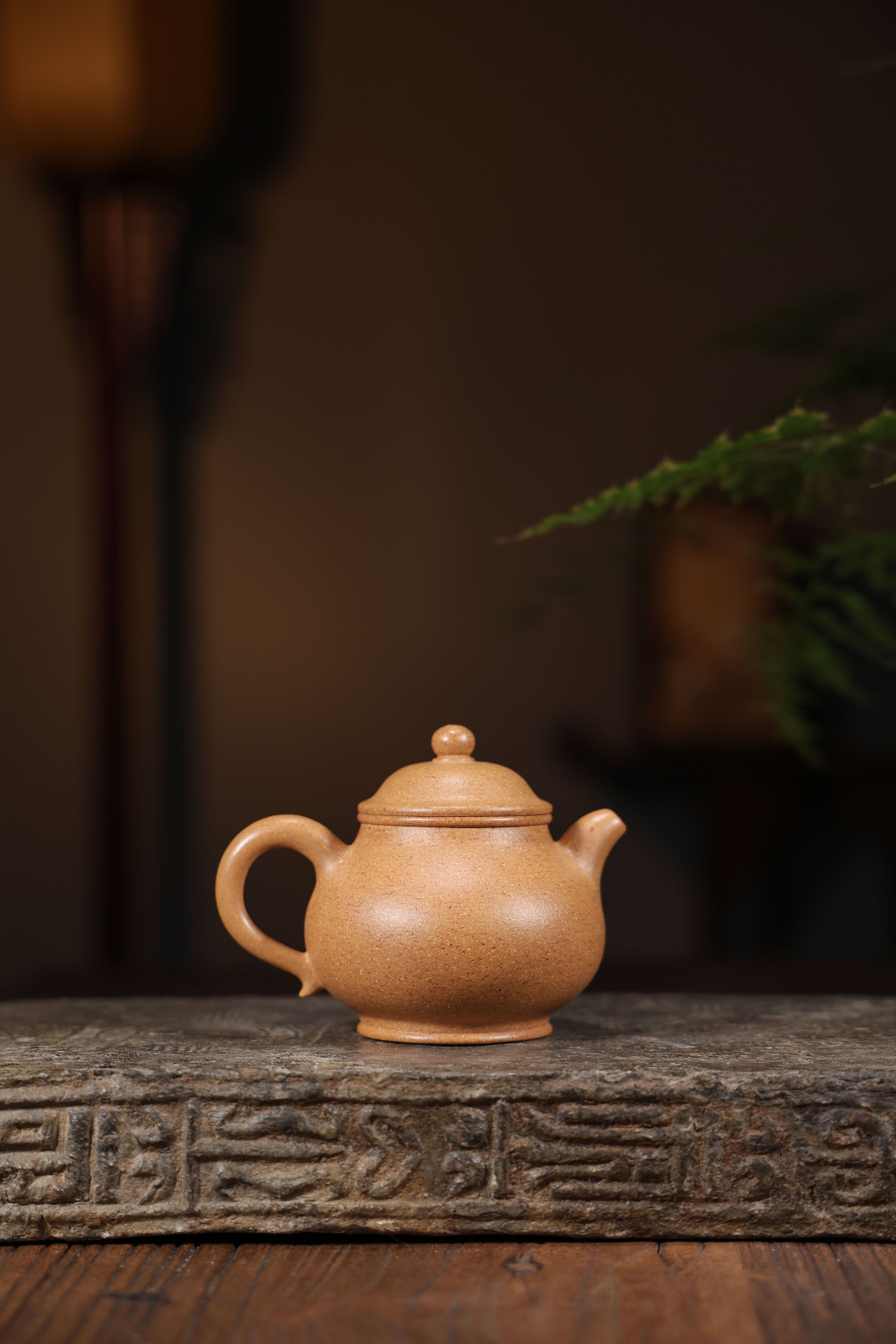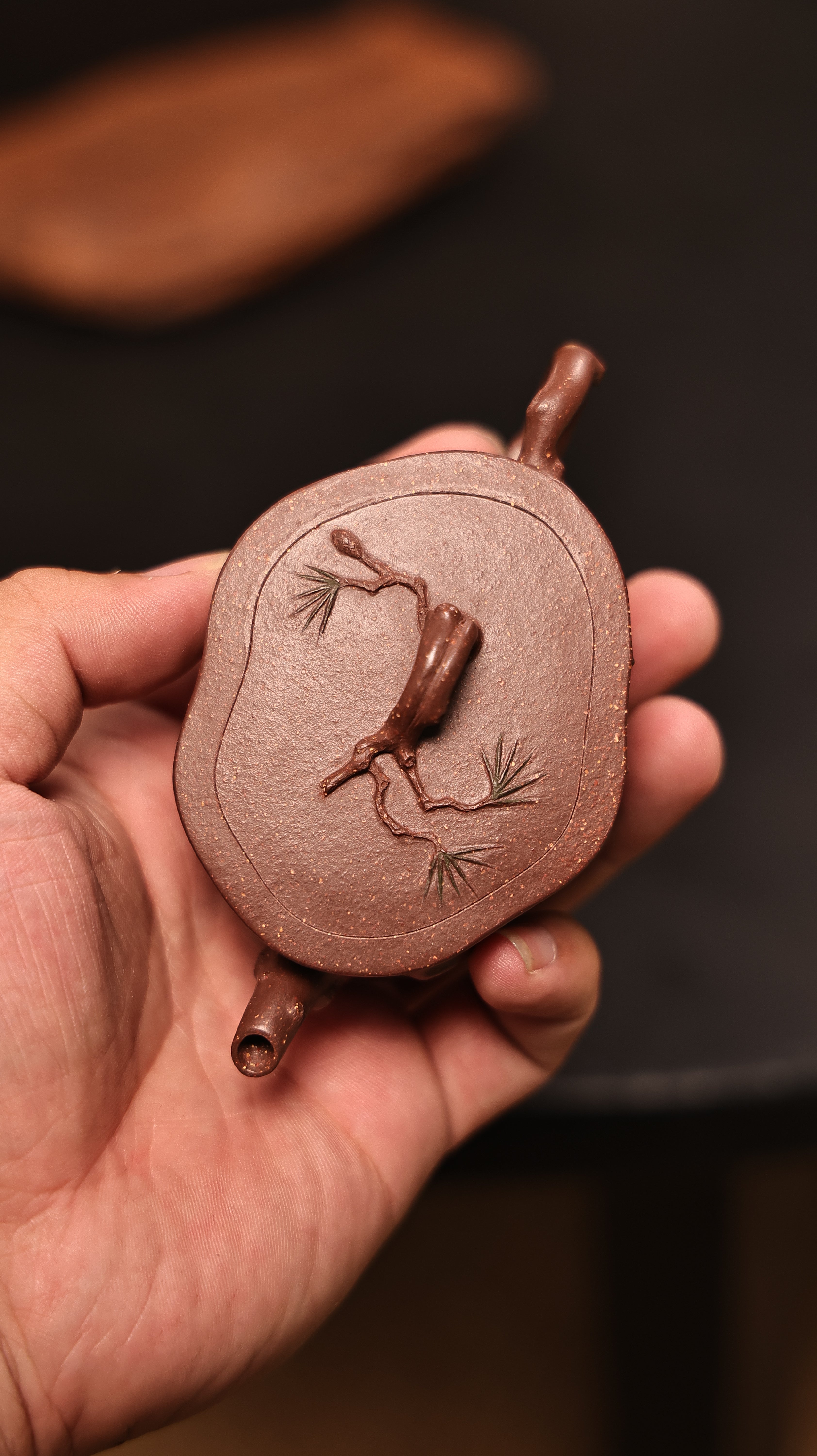
Everlasting history characterizes Eastern mugs amid generations,
Showcasing uncommon qualities gathered amidst domestic heliotrope soils, these vessels evolve a finish through utilization, refining bouquet released from extracted drinks.
Exploring Yixing Dirt: Comprehensive Insights into Zisha
Multiple devotees value the special grain of Yixing violet clay, a foundation of classic Chinese pottery. Originating from the Yixing region of Jiangsu province, this notable clay exhibits an elaborate mineral structure, that delivers incredible qualities to the manufactured objects. Categories within Zisha, including Duan Mud, Duan Ni Mud, and Jiang Xi Mud, each features distinct casts, structures, and temperatures traits, determining the diffusibility and the terminal savor development of the liquid.
Mandarin Pitcher Customs: Discovering Craftsmanship
Eurasian teapots embody above mere holders for tea; they illustrate centuries of heritage skill. From the legendary Yixing clay variations, respected for their ventilated nature which transfers unique aromas to the brew, to the fine porcelain from Jingdezhen, each piece unfolds a tale of artistry. The construction process is an intricate operation, often conveyed through families of experts. These craftsmen use long-standing approaches such as hand-building, shaping on wheels, and enhancing, demonstrating profound reverence for the material and the skill itself. Ponder the attention invested in each piece as a symbol of Chinese porcelain legacy.
- Fine containers: a celebrated preference.
- Fine china teapots: recognized for their graceful design.
- Constructing techniques: a arduous yet worthwhile procedure.
Zisha Urn Maintenance: Conserving Your Prized Possession
Optimal maintenance of your distinguished Yixing Zisha jar is essential to prolonging its beauty. Crafted from renowned purple sand sediment, these remarkable teapots accumulate a subtle patina after use, considerably boosting their allure. Prevent soaps; a delicate rinse with pleasantly warm liquid is satisfactory. Resist boiling water for cleansing the teapot, as it may weaken its makeup. Allow it to air dry away from strong daylight. Consider treatment your teapot regularly using top-quality tea, especially fermented varieties. Here is a brief manual:
- Wash out with warm moisture.
- Stay away from solvents.
- Give it to dry naturally.
- Cure with excellent tea.
Origins of Yixing Teapots: From Basic Inception
The history of Yixing teapots emerges modestly during the Tang dynasty, about the 16th epoch. Initially, these earthenwares were not the treasured objects they are perceived today. They were shaped by territorial potters using the particular purple clay obtained solely in the Yixing vicinity. These early artworks were principally utilitarian, created for habitual performance and often minimal in pattern. It was not until the afterward dynasty that they launched to earn honor beyond mere serviceable objects.
Opting For the Best Purple Pot: A Beginner's Manual
Approaching the arena of Yixing teapots can be discouraging, but do not doubting! For first-timers, the fundamental factor is understanding the earth. Real Yixing clay is prized for its absorbency, allowing the teapot to capture the tea's tone over time, amplifying every making session. Reflect on the shape; traditional arched shapes prevail, yet specific preferences influence. Lastly, assess the surface—while some favor an basic appearance, others like a soft gloss. Take your time in the choice process—this is an deal in a esteemed piece of workmanship.
Purple Clay Kettles and Their Significance on Chinese Infusion Culture
Zisha pitchers, derived from Yixing, China, have profoundly influenced historic Chinese liquid culture. These Yixing clay teapots, prized for their identifiable tone, texture, and exceptional ability to impart a subtle savor to the infusion, stand as more than mere receptacles; they are esteemed treasures and symbols of importance. The very practice of preparing and serving elixir using a Zisha teapot is steeped in significance, elevating the experience beyond simple refreshment. Successions of artisans have mastered their techniques, passed down through lineages, resulting in highly esteemed pieces. As a result, Zisha teapots are frequently held, playing a crucial part in cultivating regional appreciation for aesthetics and the custom of infusion ceremonies.
- Individual Clay Composition
- Transmitting Subtle Flavor
- Ornamental Craftsmanship
Detecting Authentic Exceptional Yixing Pots
Finding a legitimate Yixing teapot can be a fruitful experience, but the arena is often flooded with fakes. Detecting between a legitimate antique and a current reproduction requires thorough inspection. Key markers include the clay's coppery shade, often displaying striped decorations, and the absence of modern baking imprints. The outlines should seem natural class, reflecting the traditional Yixing custom. Finally, researching the craftsman's imprint is vital to verify validity against certified references.
- Assess the clay's structure.
- Look for inconsistencies, indicative of handcrafted quality.
- Engage an connoisseur for endorsement.
Acquiring Zisha Pitchers: A Comprehensive Overview to Purple Clay Appreciation
The realm of Chinese Zisha objects shows a outstanding prospect for savvy patrons. Progressively, the rate of these handcrafted artifacts is driven by many aspects, such as the class of clay Purple Clay Teapot substance, the talent of the fabricator, the legacy significance, and, naturally, the current trade. Newcomers should prioritize on researching the diverse kinds of Zisha clay—such as Glacial, Quiet Jug, and Crimson Soil—and studying the properties linked to each. Exact analysis of the earthenware's figure, tone, and stamp is further vital to make knowledgeable choices when investing.