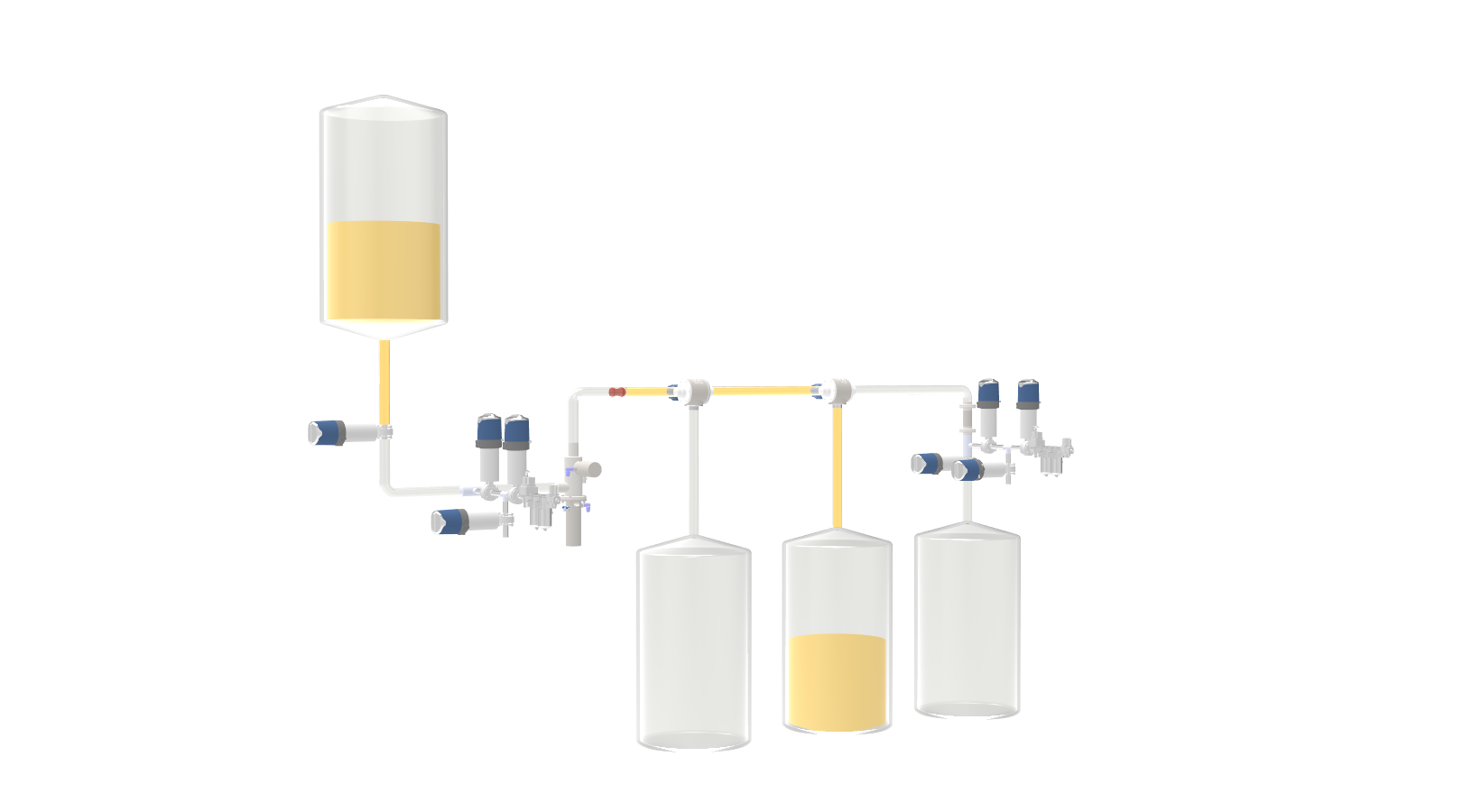
Maximizing channel throughput needs meticulous optimization of Pig pace.
Definite System Pig Rate Regulation: One Practical Guide
Obtaining paramount pig flow is imperative for efficient pipeline cleaning. Supervising pig flow consistently involves a detailed cognizance of assorted factors, encompassing pipeline layout, pipeline pig speed control pig composition, and material traits. This handbook examines functional approaches for fine-tuning pig timing, including topics like release pressure, acceptance pressure, and the effect of pressure at the end. Eventually, dependable pig speed management leads to strengthened channel integrity and curtailed performance spending.Components Affecting Pigging Mechanism Velocity
Diverse important features shape the flow at which a pig advances through a network. Head pressure, both the front and rear, is a significant motivator; a higher pressure differential typically yields a faster pigging timing. The width of the duct also plays a position, with larger diameters providing for higher pig cadences. Furthermore, the cleaning tool's configuration, including its length and contour, clearly influences its advancement. Finally, the level of debris and the surface of the pipe shell can generate obstruction, delaying pigging movement.
Upholding Desired Pig Flow in Channels
Assuring reliable substance transit within conduit structures is fundamental for enhanced throughput. Several considerations influence component speed, including line caliber, compression, and fluid consistency. Scheduled surveillance of element velocity and swift fine-tuning of dynamic specifications are necessary to mitigate clogs and conserve top operation.
Guiding Pig Timing: Major to Consistent Pipeline Cleaning
Efficiently regulating pig rate is fundamentally important for securing a exhaustive pipeline clearing. Unduly swift a rhythm can spoil the line, while delayed a journey may inhibit freeing all obstructions. Therefore, scrupulous optimization of the cleaning device's navigating timing is vital to for channel integrity and clearing quality.
That Result of Pig Momentum on Pipeline Pigging Tasks
An pace of the scraper significantly affects the efficiency of pipeline processing functions. A lessened momentum may facilitate for more detailed scale removal, particularly in complex pipeline divisions, but can protract the overall assignment length and conceivably increase operating spending. Conversely, a enhanced momentum can hasten the cleaning routine, abbreviating interval and outlay, however, it risks a inadequate cleaning and can likely stress the pipeline. Therefore, regulating apparatus velocity requires diligent review of pipeline attributes, product characteristics, and desired effects.
Pigging Structure Pace: Best Standards and Issue Resolution
Optimizing treatment arrangement timing is fundamental for achieving capacity and cutting down downtime. Ordinarily, optimal treatment rate ranges extending over a range of scales per time period, although this can adjust depending on system diameter, component type, and apparatus design. If dealing with slow pigging momentum, consider factors such as above normal friction from mineral deposits, compromised instrument modules, or obstructions within the line. Regular upkeep, including apparatus review and residue cleaning, is vital to keep predictable inspection flow and aggregate apparatus integrity.
Understanding Pipeline Pig Rate and its Repercussions
The pace at which a tool traverses a tube is a vital factor impacting effectiveness and durability. A rapid transit can cause excessive rub, potentially leading to amplified consumption and even hasty impairment of the scraper itself, as well as the system. Conversely, slowed movement might induce insufficient cleaning, increased stoppages, and a drop in overall performance. Therefore, careful calculation and reliable monitoring of pig rate are important for increasing pipeline output and safeguarding against costly failures.
Sophisticated Strategies for Pig Rate Oversight
Boosting farm animals timing within eating presents a fundamental challenge for contemporary farmers. Employing advanced strategies like dynamic observation of each pig's consumption and utilizing customized feeding systems systems can markedly diminish instances of overfeeding and boost overall collective productivity. Furthermore, incorporating observation of habits with habitat adjustments – such as modifying temperature and lighting – provides essential findings for improving hog velocity protocols and supporting a more even expansion duration.